Counterfeit Card Alert: 2009 Upper Deck USA Baseball Autographs #USA-83 Bryce Harper
Posted on 11/11/2025
Philadelphia Phillies star first baseman Bryce Harper has been one of the most consistent elite players in all of baseball for more than a decade. In Harper's debut pro season, in 2012, he earned the NL Rookie of the Year Award and has gone on to be an eight-time All-Star, four-time Silver Slugger Award winner and two-time NL MVP Award winner. As one of baseball's finest, the 33-year-old is also an extremely popular player when it comes to sports collectibles, as well.
Starting out his career with the Washington Nationals before signing with the division rival Phillies, Harper can be a divisive player among baseball fans, but he has also built a devout fanbase through the years. As with any elite athlete who has collectibles tied to their iconic careers, there is a large market of dedicated collectors searching for Harper's cards. Some of those cards can be worth thousands of dollars, which inevitably attracts counterfeiters who attempt to profit off of valuable collectibles.
 |
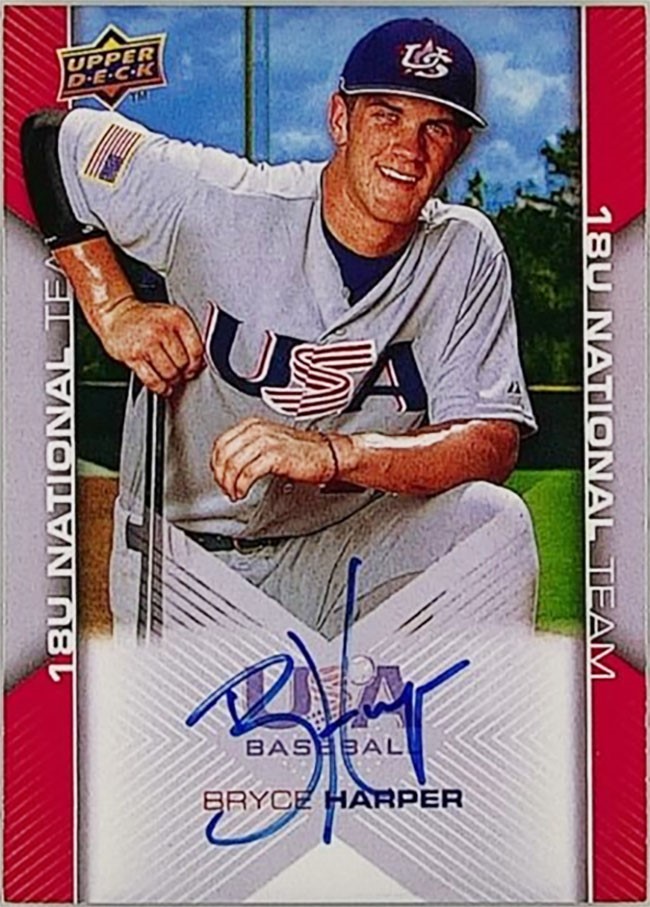 |
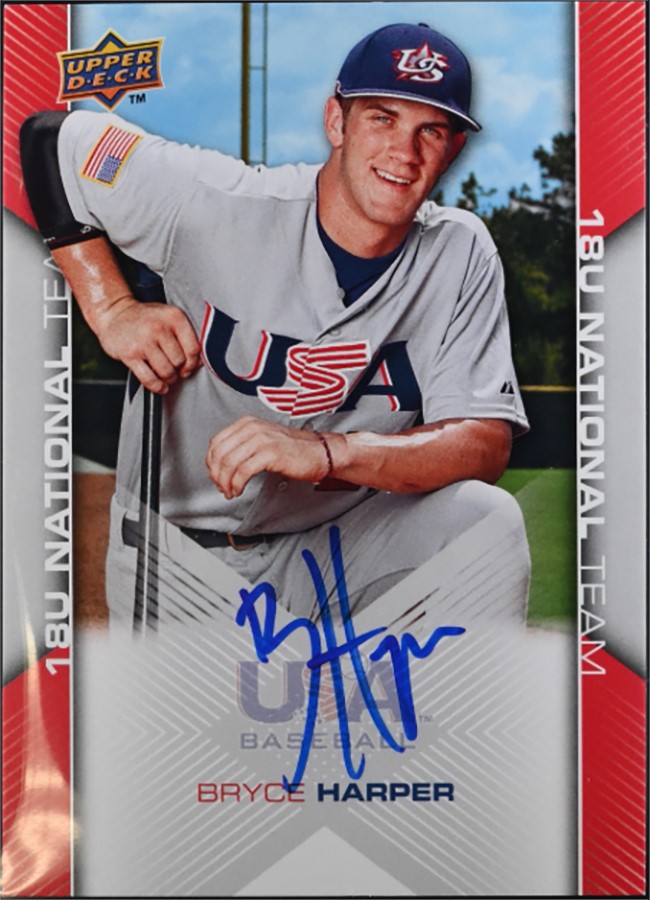
LEFT: Authentic RIGHT: Counterfeit Click images to enlarge. |
|
The 2009 Upper Deck USA Baseball Autographs #USA-83 Bryce Harper is from Harper's time with the Under-18 USA National Team and features one of his earliest signatures on a card. As for this particular purported example, when compared to an authentic version, red flags begin to show themselves everywhere across the card.
 |
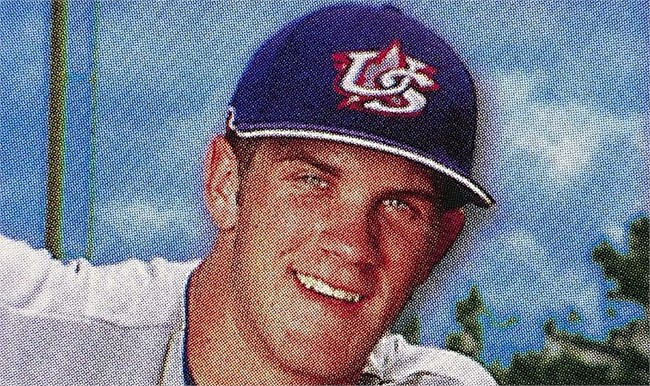 |
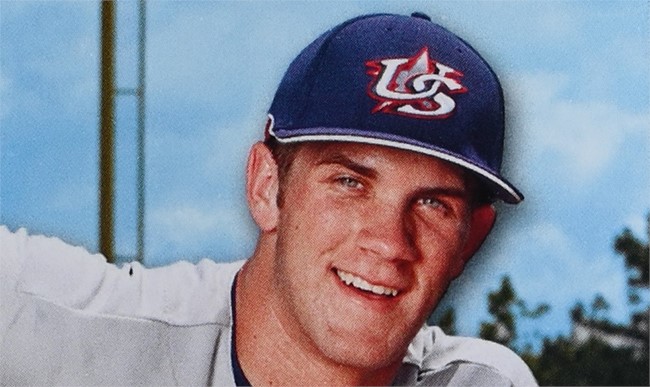
LEFT: Close-up of the authentic RIGHT: Close-up of the counterfeit |
|
Upon closer inspection, pixelation is the first culprit that stands out. In some cases, zooming in isn't even necessary to notice the extreme differences between the quality of the images, which is evident when viewing Harper's face on the front of the card.
 |
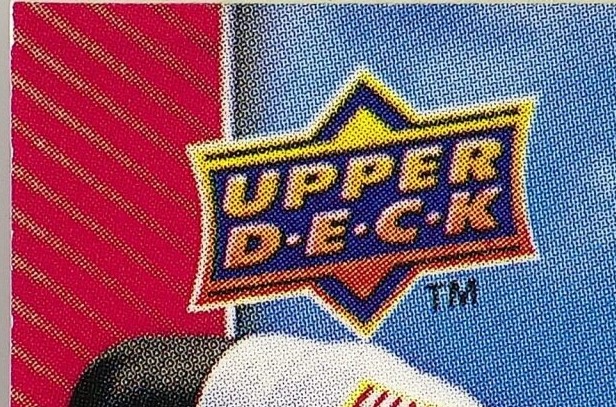 |
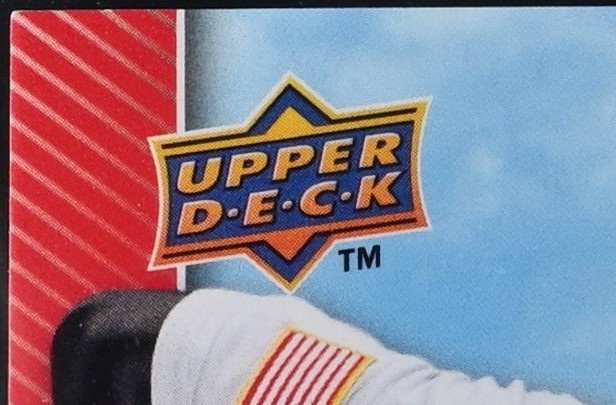
LEFT: Close-up of the authentic RIGHT: Close-up of the counterfeit |
|
Shifting over to the top left above his elbow is the classic Upper Deck logo, which is much fuzzier on the counterfeit example. Not only is the pixelation prominent but you can see that the borders of the logo are not as crisp and the colors are dull and not as vibrant due to a lower-quality print.
 |
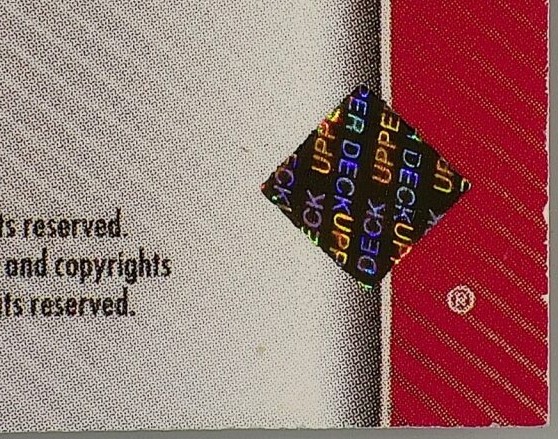 |
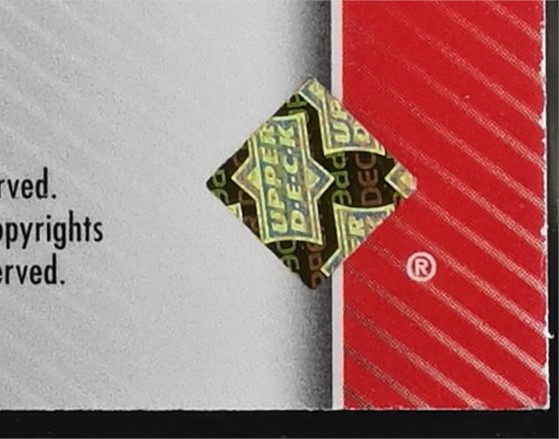
LEFT: Close-up of the authentic back Upper Deck holo RIGHT: Close-up of the counterfeit back Upper Deck holo |
|
When shifting our attention to the back side of the card, we see more of the same around the Upper Deck holo sticker. The red border and white adjacent white line separating the border from the light gray background are muddied, showing ink bleeding that leads to a less defined area. Furthermore, the holo stickers clearly do not match and the registered trademark logo is extremely faded and hard to see.
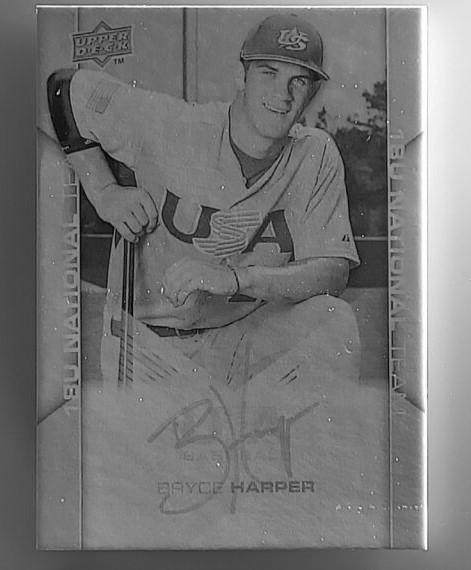
CGC grading experts also use various UV lighting to pinpoint issues with possible counterfeits. The below images show the counterfeit card under two different UV lights, which are key to identifying an authentic versus counterfeit card.
 |
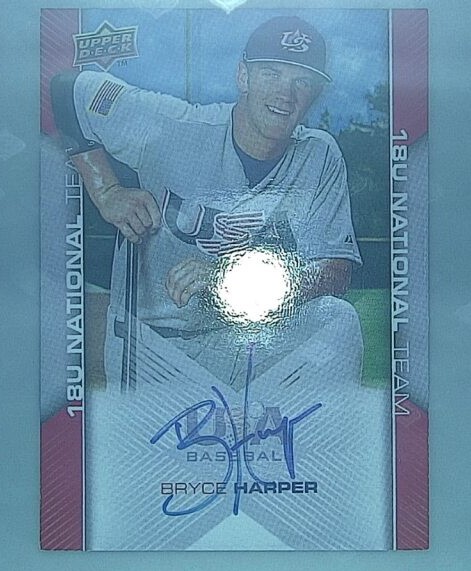 |
LEFT: The counterfeit under UV lighting RIGHT: The counterfeit under different UV lighting |
|
Since the counterfeit is printed on a thicker and glossier card stock, you can see how exaggerated the downward "roll" of the edges are in the image on the left. In addition, the different lighting on the right shows how glossy the card stock is on the counterfeit, which is another telltale sign of a fake.
While the CGC grading team was able to identify the card itself as counterfeit, they brought in an expert for the analysis of the signature. JSA Vice President James Spence, III has a wealth of knowledge that the graders can now lean on, as CGC and JSA combined their services in 2024. Spence shared valuable insight about Harper's signature and explained why he deemed it as counterfeit, as well.
 |
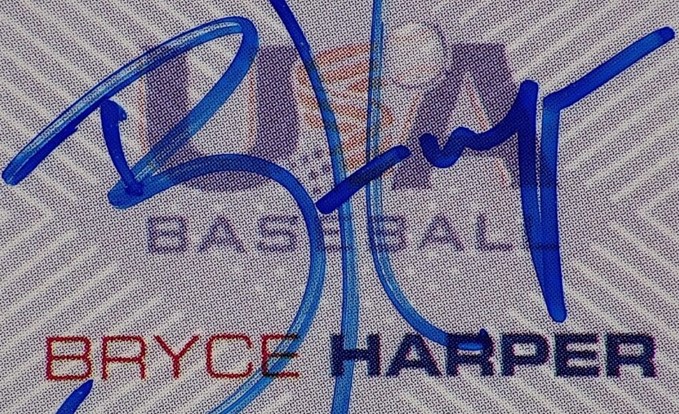 |
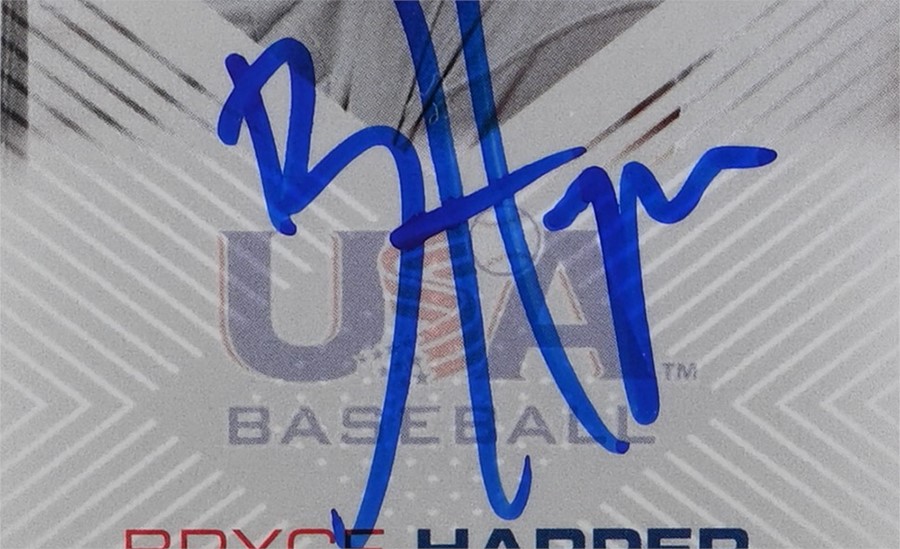
LEFT: Close-up of the authentic RIGHT: Close-up of the counterfeit |
|
"The signature on the counterfeit card displays multiple critical flaws and would fail our authentication process at JSA," Spence explained. "Key inconsistencies include an unnaturally wide 'B' formation, with a noticeably short stem, which deviates from authentic 2009 exemplars. The formation of the 'H' is particularly telling: its horizontal cross-stroke appears slow and deliberate, and is abruptly short in execution, lacking the conviction and necessary length seen in genuine signatures from this era."
"Furthermore, the terminal stroke is executed as a flat line parallel to the baseline, lacking the characteristic fluid 'waving' motion Harper employs to complete the 'er' in 'Harper,'" he added. "These structural and directional defects confirm the signature is deemed not authentic."
These red flags on the fake card helped CGC's card experts and JSA's signature expert determine that it does not match an authentic 2009 Upper Deck USA Baseball Autographs #USA-83 Bryce Harper. Education is the most important tool when collecting cards. The more collectors know about the printing and manufacturing process of cards, the fewer mistakes will be made when buying cards. This example also highlights the importance of certification for any high-value card.
CGC authenticates, grades and encapsulates authentic examples of cards, making the hobby a safer place for collectors, traders and sellers. To do this, CGC Cards uses world-class expertise, advanced technology, innovation and operational excellence to provide sports card collectors and dealers with accurate and consistent certification services. CGC backs these determinations with the CGC Guarantee, which adds significant confidence, liquidity and value to the hobby. To learn more about CGC's industry-leading services, visit CGCcards.com.
Related Link: