Counterfeit Card Alert: Japanese Cyndaquil
Posted on 5/7/2026
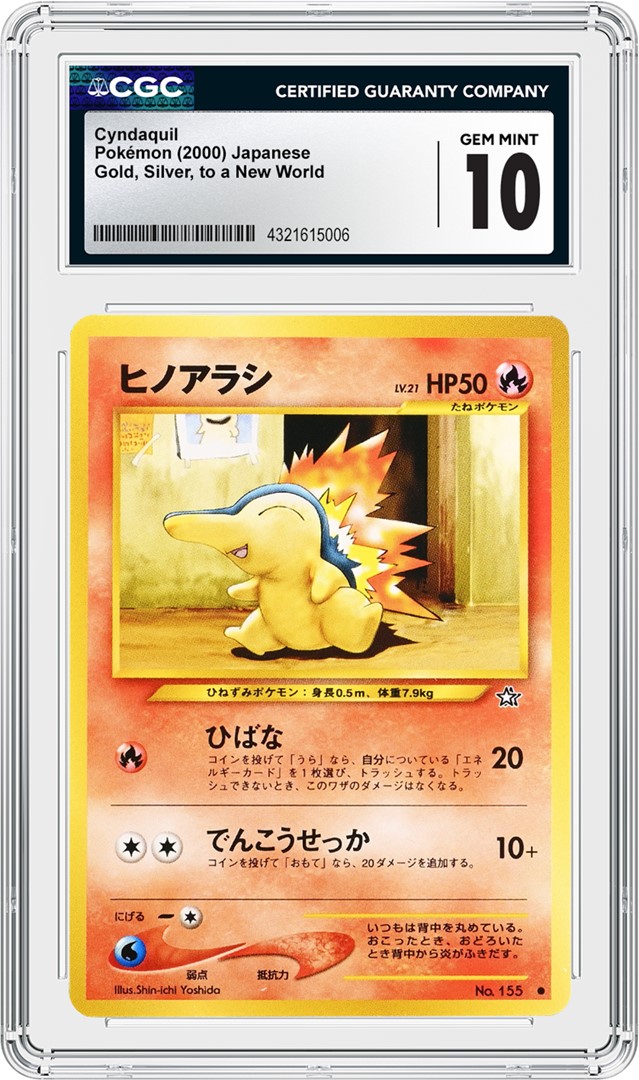
Gold, Silver, to a New World was released in 2000 in Japan. It was the first Pokémon TCG set to feature Pokémon from the Johto region, the setting of the (then) brand-new Pokémon Gold and Pokémon Silver video games for the Nintendo Game Boy. Like most sets that introduce a new era, Gold, Silver, to a New World highlighted most of the new region’s new Pokémon, including the Generation 2 starters: Chikorita, Cyndaquil, and Totodile.
 |
 |
Click images to enlarge. |
|
There were two ways for collectors to add the Generation 2 starters to their collections. The trio could be pulled from booster packs, or they were included in the Japanese exclusive Neo Premium File 1, a special nine-card set featuring the starters and their evolution lines. The Neo Premium File cards notably lacked the rarity symbol in the bottom right-hand corner of the card, making them easy to identify from their booster pack counterparts.
Because the Neo Premium File was available to purchase in local stores and guaranteed the starter Pokémon, pulling a Chikorita, Cyndaquil, or Totodile from booster pack is generally harder, making those variants more difficult to obtain. Though neither variant sells for a premium, some counterfeiters try to make a quick buck by printing fake versions of these starter cards because they are popular and a bit harder to find. CGC recently came across one of these counterfeit cards in a submission: a Cyndaquil that immediately set off alarm bells.
 |
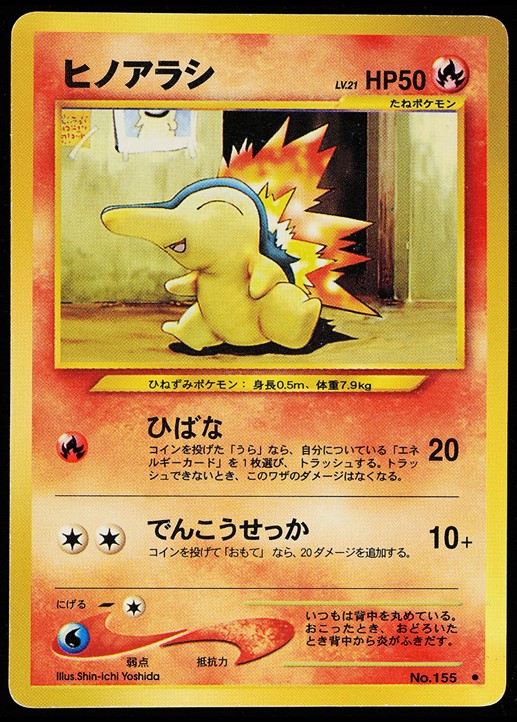 |
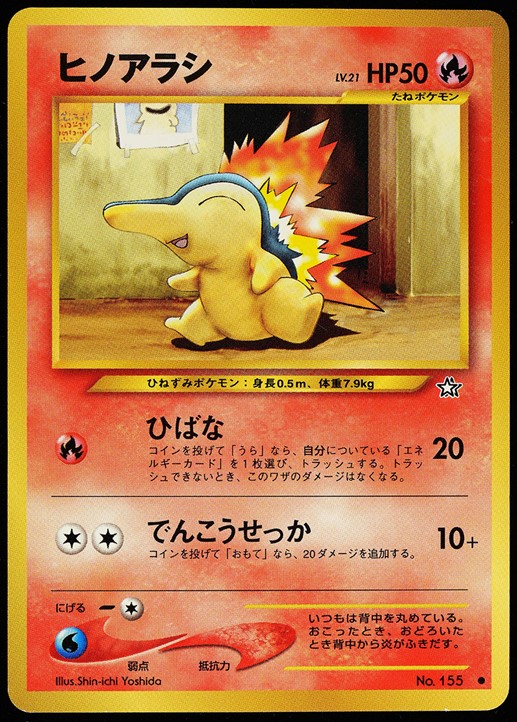
| A genuine Cyndaquil from Gold, Silver, to a New World (left) and the counterfeit example (right). Click images to enlarge. |
|
There are several key differences between the fake Cyndaquil and a genuine example. Comparing the two cards side-by-side reveals that the fake is much more yellow than the genuine example, and its colors are muted and faded. Cyndaquil’s artwork is not as crisp on the fake card, and the black outlines on the wall are fuzzy, when they should be thin lines.
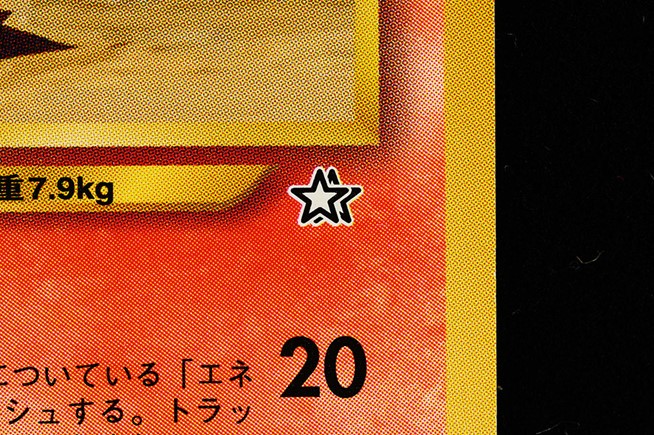
One of the most glaring disparities between the fake and genuine Cyndaquil is the lack of a set symbol on the fake card. Unlike Pokémon’s first-generation sets, all the Neo era TCG sets included set symbols, so the lack of one is an immediate indicator that a card is fake.
 |
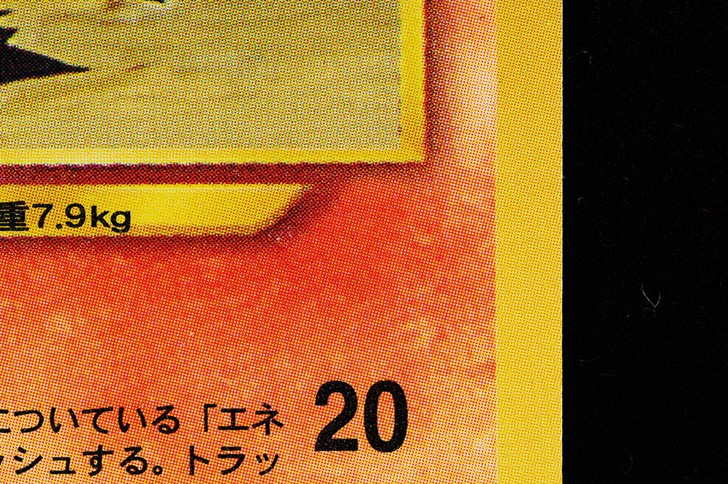 |
| The real Cyndaquil card with the double-star set symbol (left) and the counterfeit, which is missing its set symbol (right). Click images to enlarge. |
|
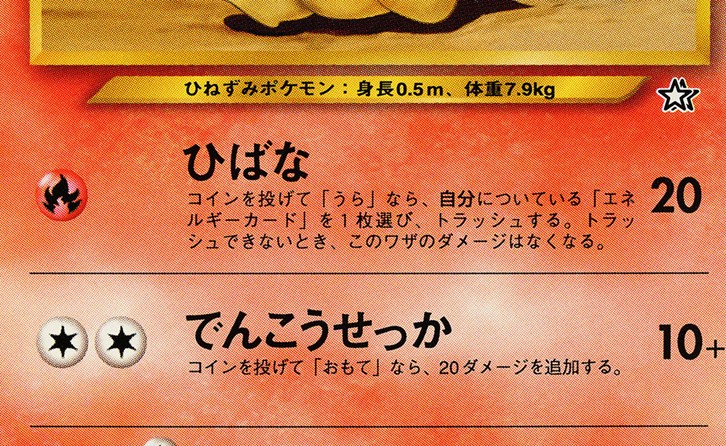
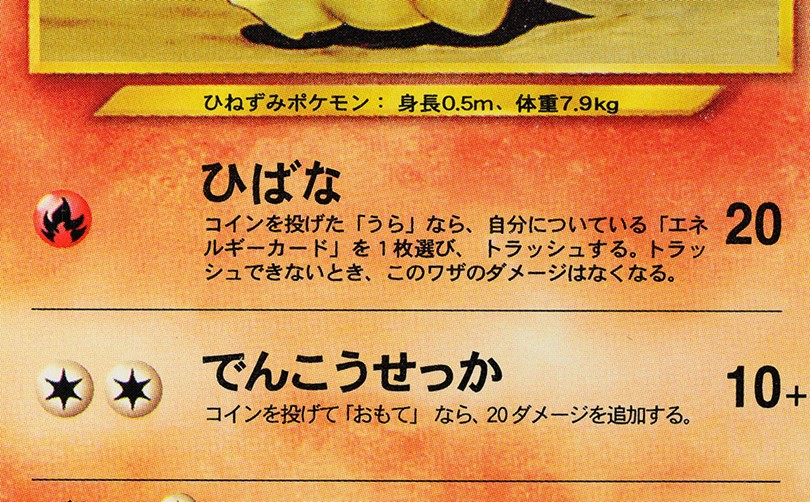
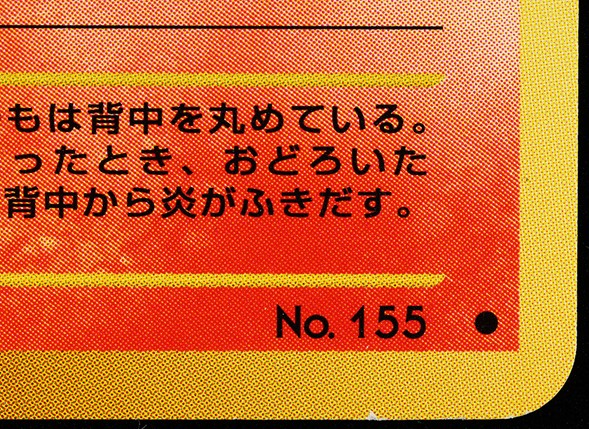
Looking closely at the text on the card reveals some minor differences in font between the two cards. The fake card’s font is a bit bigger, bolder, and closer together when compared to the legitimate example. Additionally, there is a typo in the second attack’s name: the third character is wrong. These text differences also apply to the card’s illustrator name and number in the very bottom corners.
 |
 |
 |
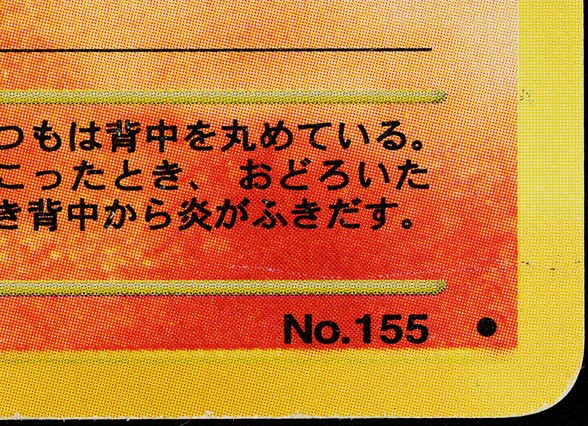 |
| Close-up images of the real card's text box (top) and card number (bottom) on the left, and the counterfeit example on the right. Note the subtle differences in font. Click images to enlarge. |
|
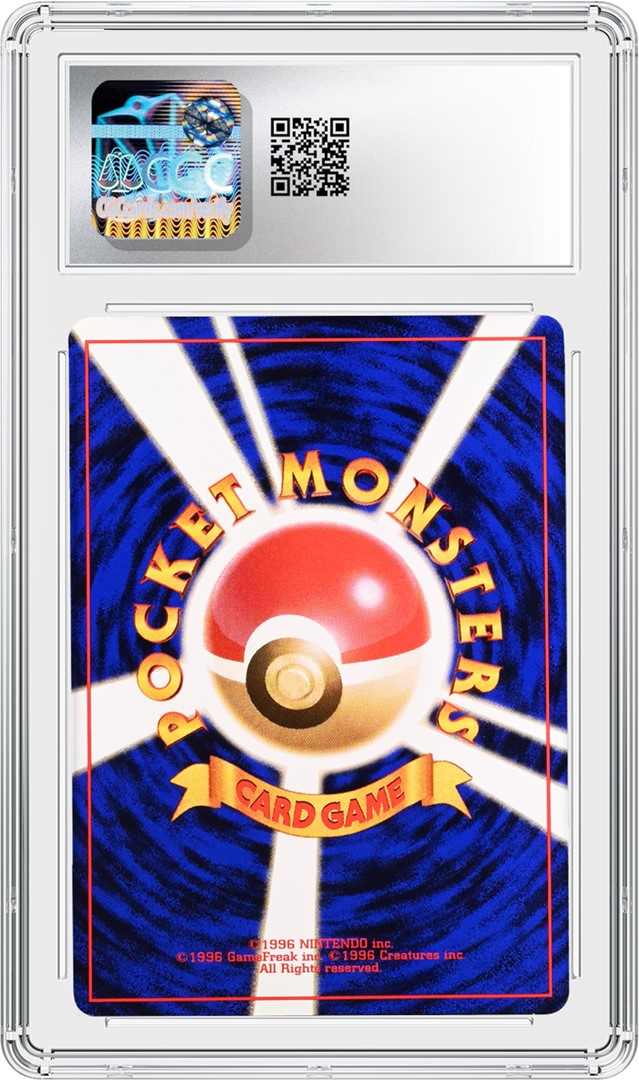
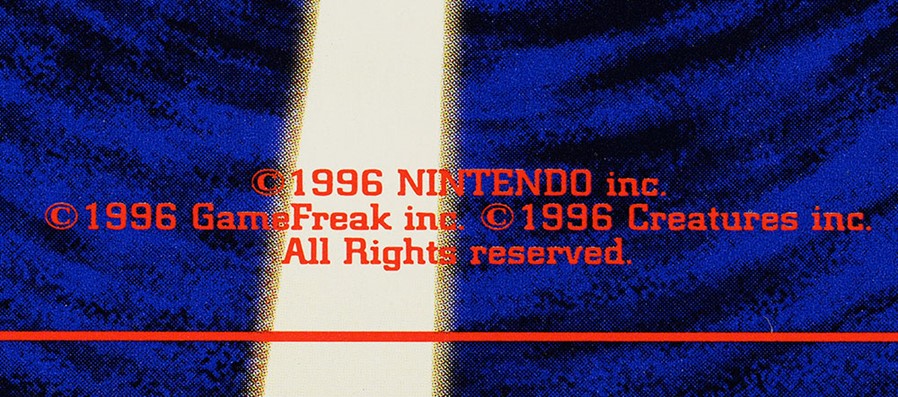
Interestingly, while the backs of English Pokémon cards are usually a great way to tell whether a card is fake or not, the back of this Cyndaquil doesn’t reveal many differences between the fake and genuine example. However, by looking very closely at the copyright text toward the bottom of the back, the fake’s text is fuzzier and less crisp than on the genuine card. The fake’s text is also (just barely) off center — look closely at the “All Rights” in “All Rights reserved.” Can you see how it’s just off center when checking the text in the light ray coming off the Poké Ball? The “A” should be barely touching the inner edge of the ray, like it is in the genuine example.
 |
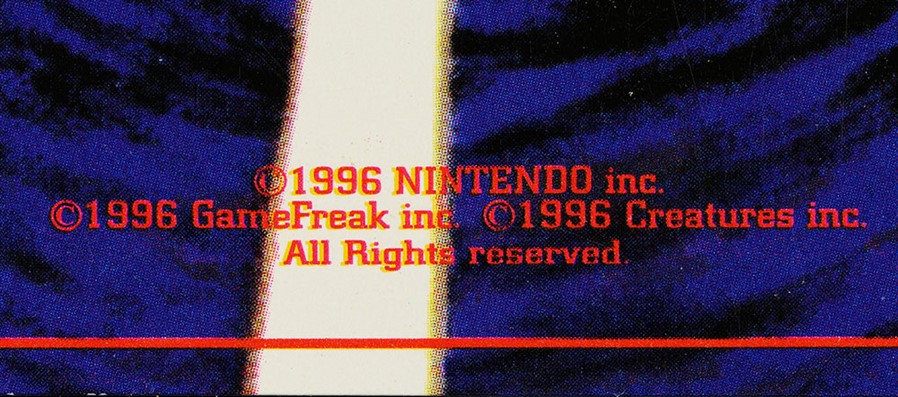 |
| Close-up images of the copyright text on the back of the genuine Cyndaquil card (left) and the fake (right). Notice the difference in font and alignment. Click images to enlarge. |
|
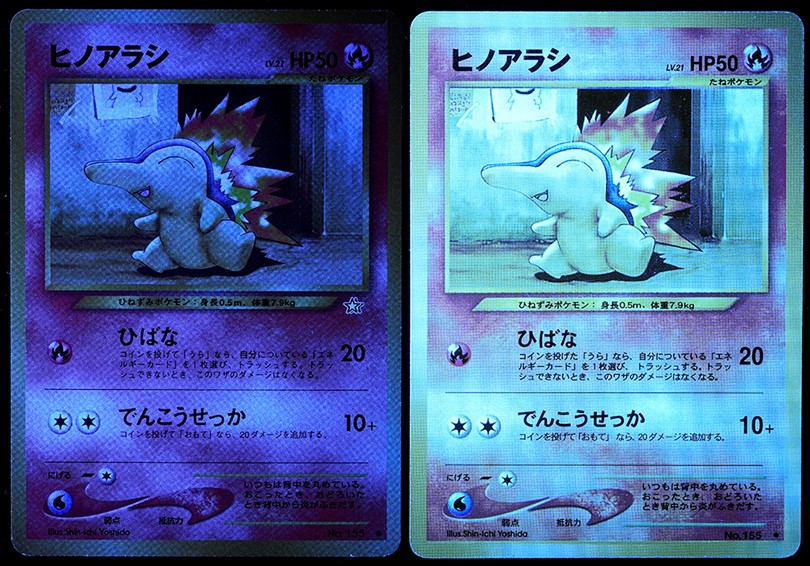
CGC grading experts use ultraviolet light to pinpoint issues with possible counterfeit cards, which helps further confirm whether a suspicious card is indeed a fake. In this case, the fake Cyndaquil appears very, very light compared to the genuine example, which appears normally.
 |
|
| A comparison of the real Cyndaquil card (left) and the counterfeit (right) under ultraviolet light. Click image to enlarge. |
|
It is very important to exercise caution when purchasing ungraded cards, whether they are common or ultra rare. Cards certified by CGC are guaranteed to be authentic and not overgraded under the CGC Guarantee. For more information, go here.
About CGC
Since revolutionizing comic book grading in 2000, CGC has grown to include certification services for a vast variety of pop culture collectibles. These divisions include CGC Cards, CGC Video Games, and CGC Home Video. CGC Cards provides expert card grading for sports cards, TCGs, and non-sports cards. CGC Video Games is dedicated to video game grading for the most popular consoles, including Nintendo, Sega, Atari, PlayStation, and more. CGC Home Video provides expert VHS grading in addition to other types of videocassettes, DVD, Blu-ray, and more. CGC also offers seamless solutions for autograph collectors with CGC Signature Series and JSA Authentic Autograph services.
CGC is part of the Certified Collectibles Group, a global provider of expert and impartial authentication and grading services for collectibles. Since 1987, the Certified Collectibles Group companies have certified more than 110 million collectibles, including coins, banknotes, comic books, cards, autographs, and stamps.