Ivy Pikachu Variant Guide: Do You Have 'em All?
Posted on 6/9/2026
Pikachu has been featured on more than 220 unique cards in the Pokémon TCG, and it's no secret why — the adorable electric mouse has been the face of the Pokémon franchise since its earliest days, and is recognized by billions worldwide. Among these cards are many promotional releases, including a particular card that’s had collectors scratching their heads for decades — the elusive and complicated “Ivy” Pikachu.
Originally released to the public in a 1996 issue of CoroCoro Comic, Ivy Pikachu was one of the first official Pokémon TCG cards released, just five days before the official release of Japanese Base Set. It was released alongside a Jigglypuff promo, and together, the two were distributed through several different methods, in a variety of variants. In this guide, the Pikachu variant cards are listed in chronological order from when they were released or made public.
The five Ivy Pikachu variants
Glossy – Marketing Variation
 |
 |
Click images to enlarge. |
|
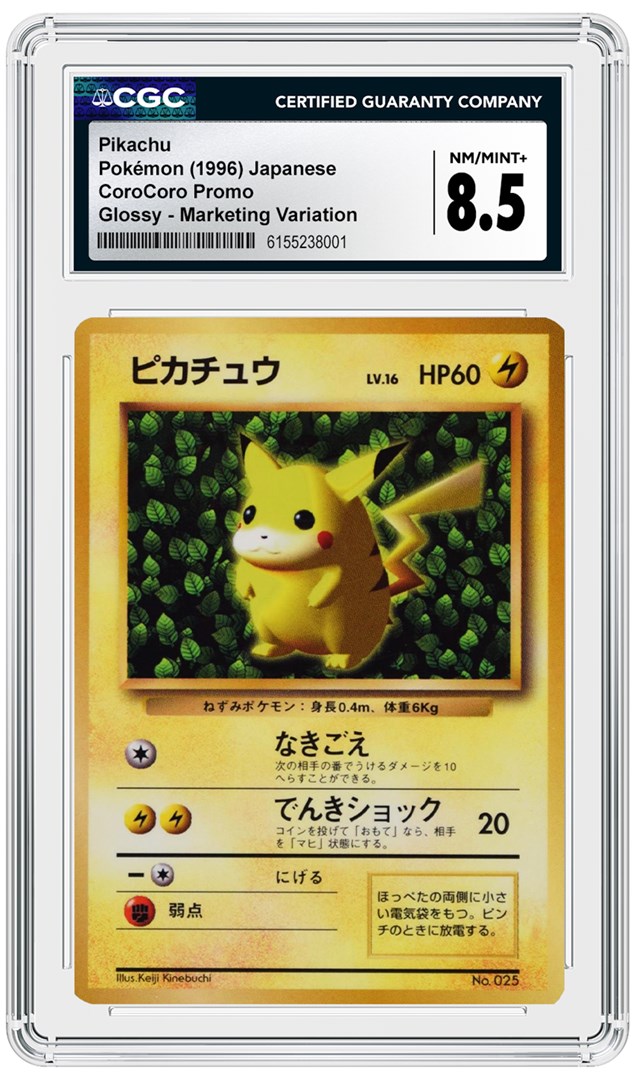
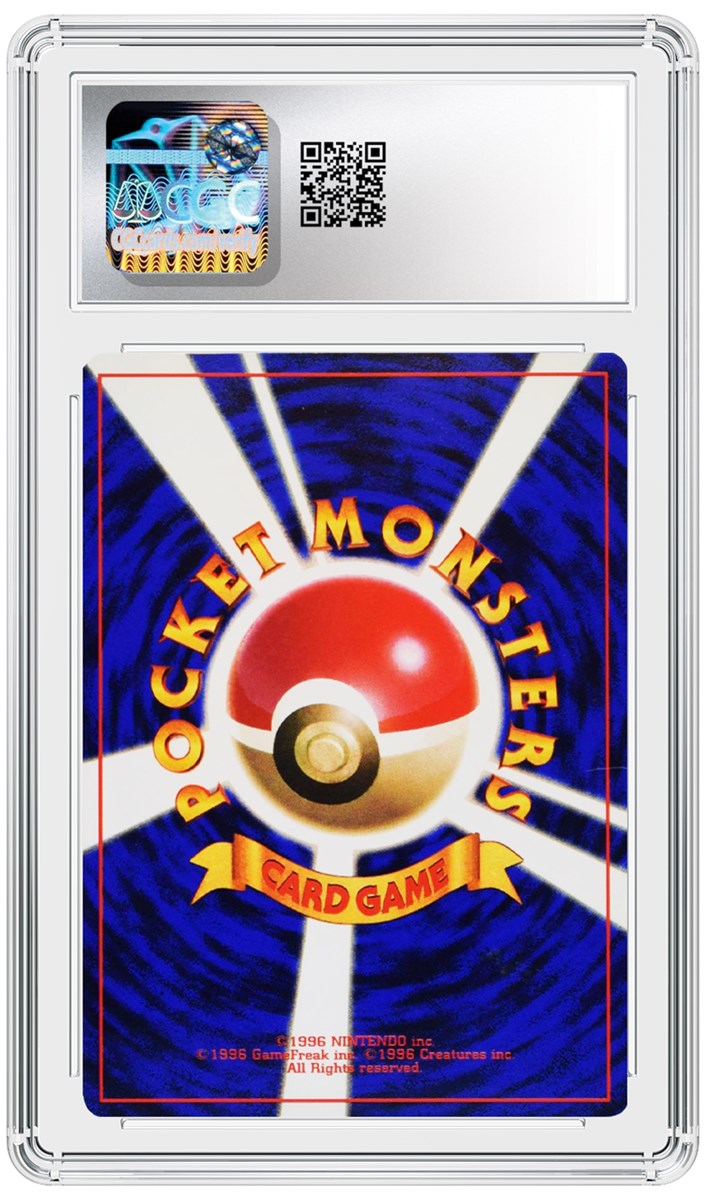
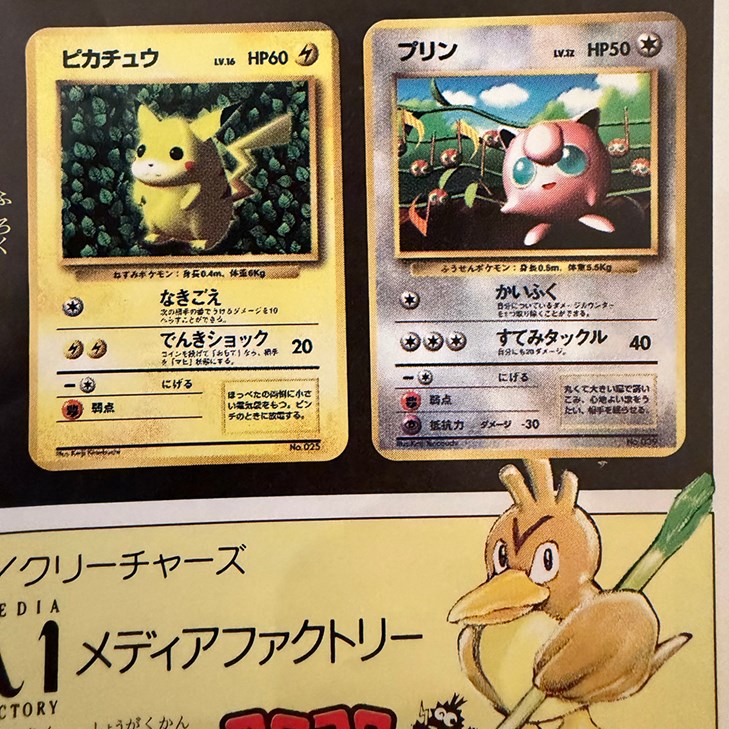
This Ivy Pikachu is the first variant of the card, which was showcased in marketing material before the Pokémon TCG was released. Most notably, this version of Ivy Pikachu has a pair of leaves right underneath Pikachu’s left foot — a feature that is not seen in later copies of the card — and Pikachu is also shifted slightly to the right instead of centered in the art box. Additionally, this Ivy Pikachu has the correct illustrator (Keiji Kinebuchi) named on the bottom of the card, unlike its magazine giveaway counterpart.
It is important to note that the marketing variation of Ivy Pikachu likely wasn't meant to be released to the public, which explains its rarity today. Instead, this variant is featured in early marketing materials, hence why it is called the "marketing variation" of Ivy Pikachu. You can find photos of this Ivy Pikachu variant on several posters showing off the Japanese Base Set of the Pokémon TCG, on the cover of the October 1996 issue of CoroCoro Comic, and inside the magazine — both during the Pokémon TCG’s feature article and in the magazine’s appendix.
 |
|
| A photo of the marketing variation of Ivy Pikachu, as featured on early marketing materials. Photo courtesy of Maxwell Lee, John Nelson, and John Nevil. Click image to enlarge. |
|
Glossy – Incorrect Illustrator
 |
 |
Click images to enlarge. |
|
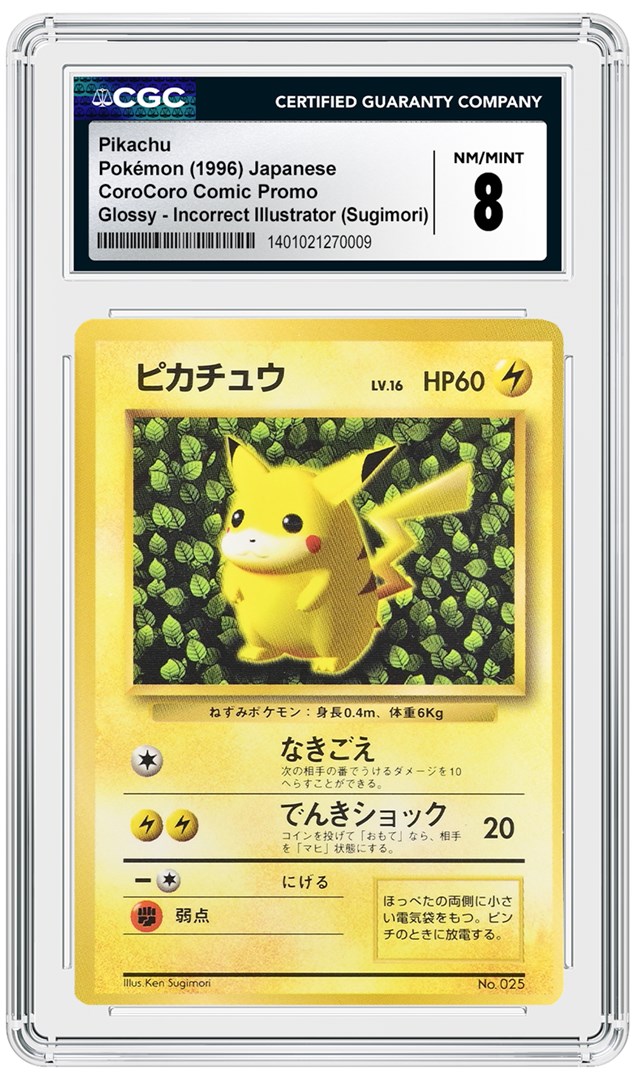
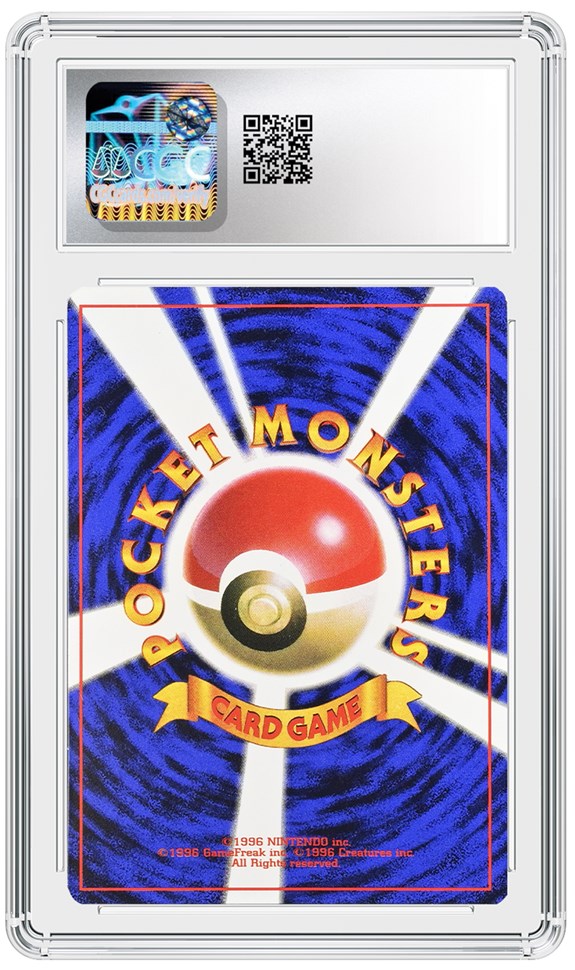
Although the marketing variant of the Ivy Pikachu promo was photographed and showcased in the October 1996 issue of CoroCoro Comic, it was not the version of the card that was given away in the same issue of the magazine. That version, instead, is the Incorrect Illustrator variant of Ivy Pikachu. Instead of naming Keiji Kinebuchi as Pikachu’s illustrator, the card mistakenly attributes the artwork to Ken Sugimori.
Notice the differences in color between the Marketing Variation and the Incorrect Illustrator variant of Ivy Pikachu. In the Marketing Variation, Pikachu has a slightly green coloring, as opposed to the Incorrect Illustrator’s bright yellow. Also, there are no leaves underneath Pikachu's foot. Finally, Pikachu has been centered in the art box.
Non-glossy – How to Play Pokémon
 |
 |
Click images to enlarge. |
|
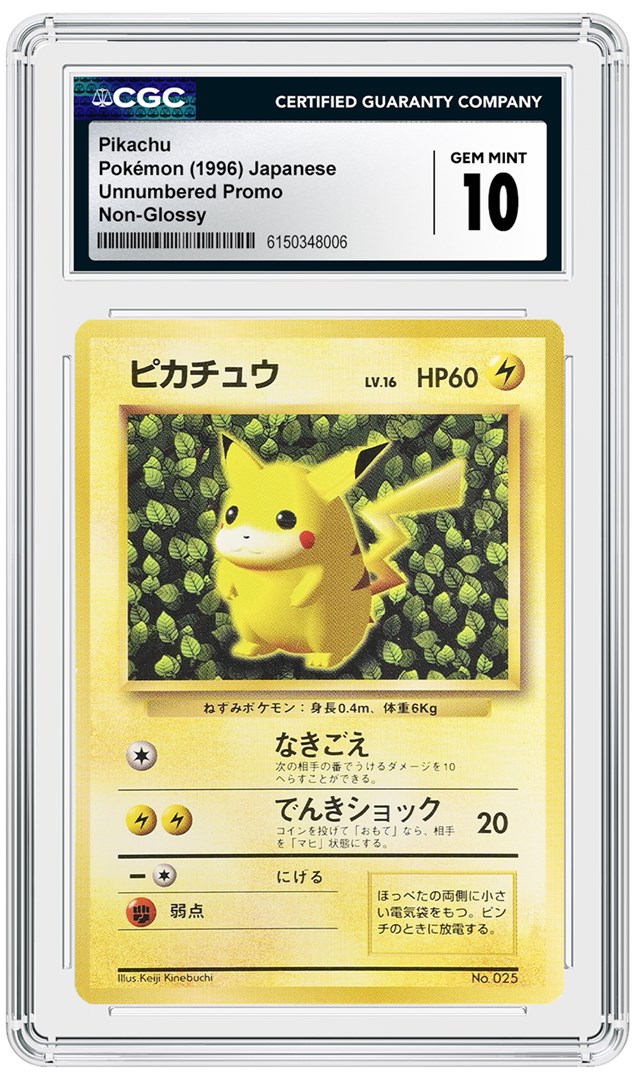
In November 1996, Media Factory — the Japanese publisher of the Pokémon TCG — released a tutorial magazine that taught young children how to play the Pokémon Trading Card Game. This magazine, titled “Easily Understand How to Play Pokémon Cards,” included non-glossy reprints of both Ivy Pikachu and Jigglypuff as free promos.
The biggest difference between this Ivy Pikachu and the other variants is its non-glossy surface. Unlike all other Japanese variants of this card, this Ivy Pikachu wasn’t treated with the same glossy finish. However, it does have the correct illustrator listed, and Pikachu is still centered in the art box.
Glossy – Corrected Illustrator
 |
 |
Click images to enlarge. |
|
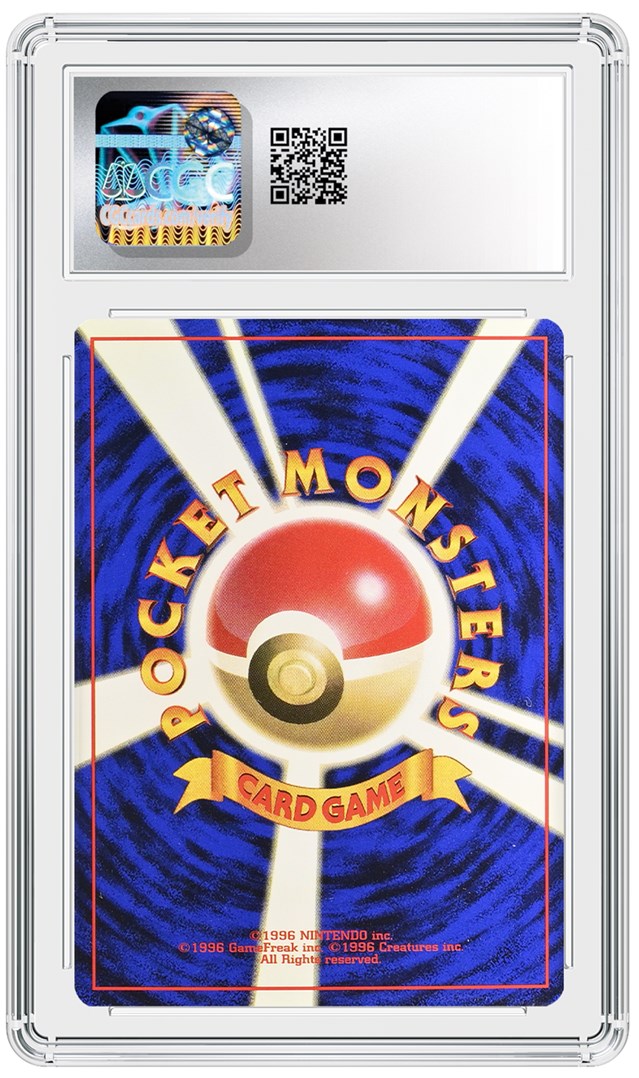
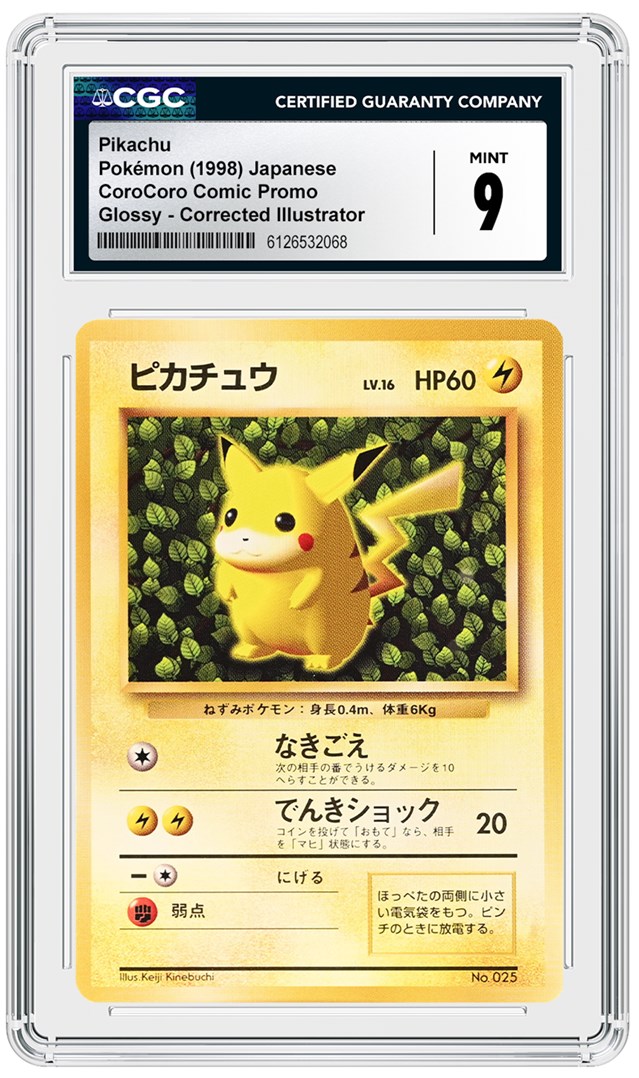
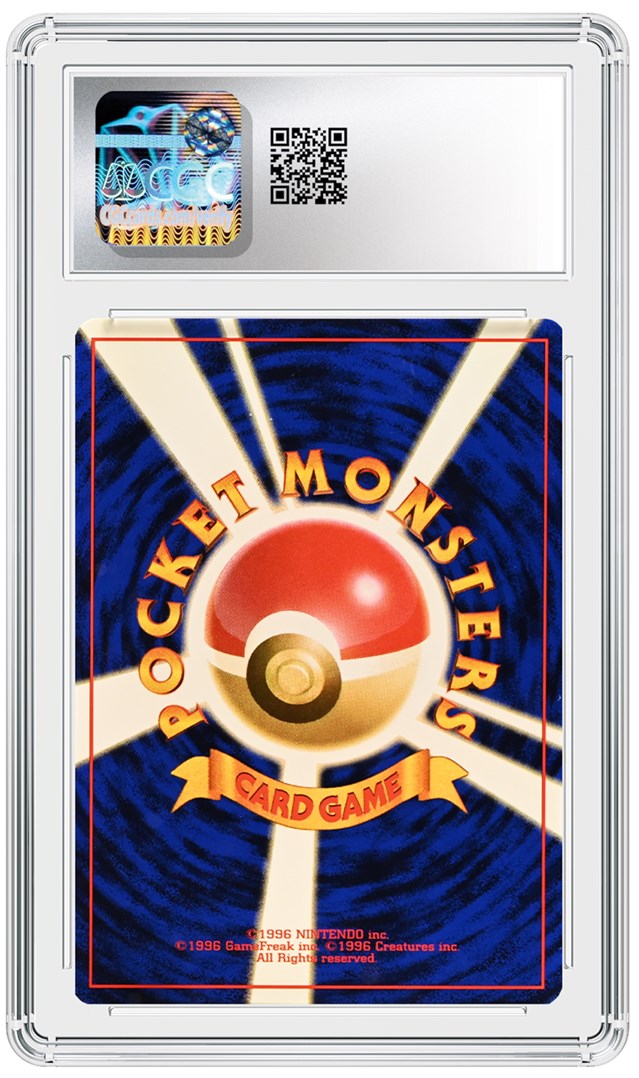
Two years after the initial release of the Incorrect Illustrator variant of Ivy Pikachu, CoroCoro Comic advertised Ivy Pikachu again in their October 1998 issue. To obtain this version of the card, subscribers would need to send the included postcard back to CoroCoro Comic in the mail. In return, they would receive two different sealed sets of promos: Pikachu and Jigglypuff, and Meowth and Onix.
This Ivy Pikachu variant lists the correct illustrator, has Pikachu centered in the art box, and has the glossy finish to the cardstock. Importantly, this variant of the card was only available through this single giveaway, and only 2,000 people received the four cards. This means that only 2,000 copies of the Ivy Pikachu – Glossy Corrected Illustrator variant are in circulation, making it incredibly rare.
Glossy – Gray Star
 |
 |
Click images to enlarge. |
|
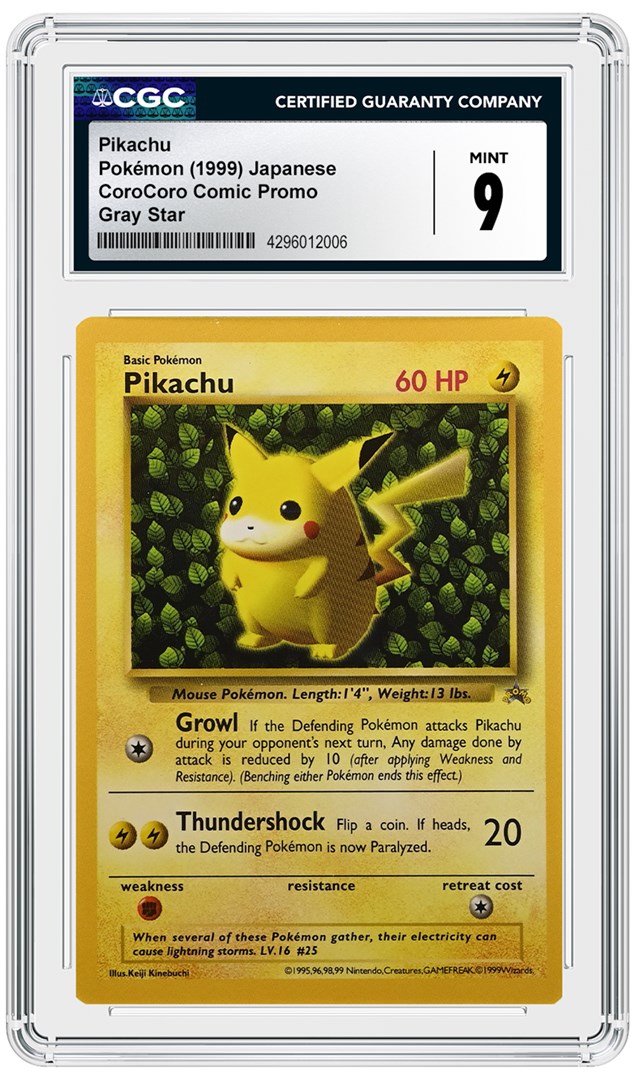
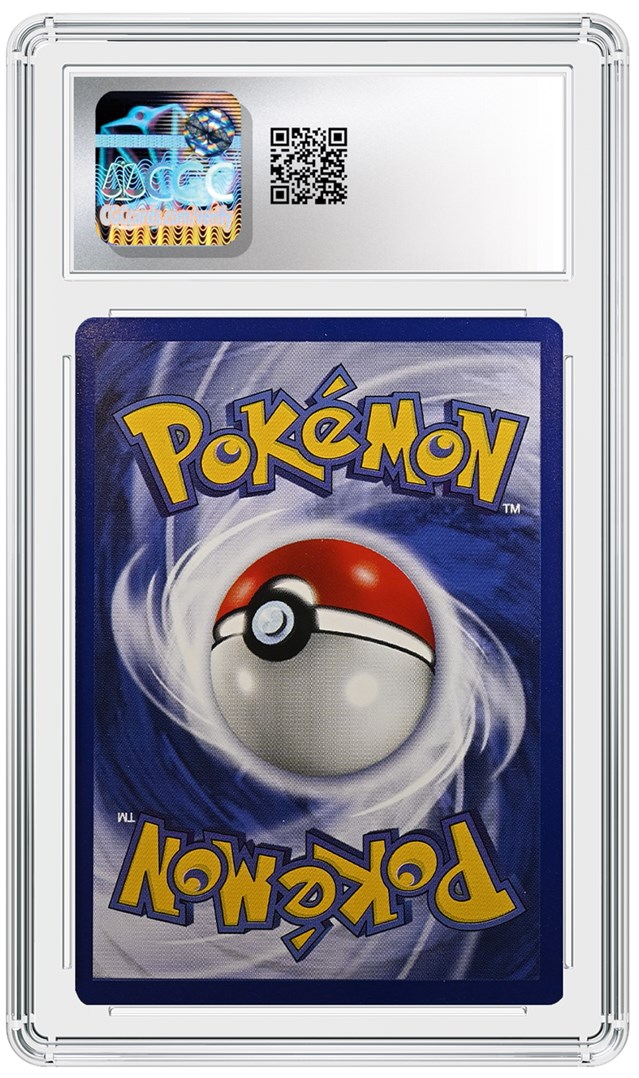
Though this Ivy Pikachu variant is printed in English, it was — once more — only released in Japan. This time, Pikachu was released in the March 1, 1999, issue of Hyper CoroCoro Comic alongside Jigglypuff. The variant features a gray star symbol with a yellow “PROMO” stamped across it (near the bottom-right corner of the artwork), appearing very similar to the Black Star Promo cards that English audiences received overseas. It also has the back used with international releases of Pokémon TCG cards.
If you’re unsure which variant of Ivy Pikachu you have, check the following:
- Leaves: The main difference between the marketing variant of Ivy Pikachu and later releases is the amount and location of the ivy leaves in Pikachu’s art box. If there is a leaf underneath Pikachu’s foot, you have a Marketing Variation! You can also look at Pikachu’s tail — if the edge of Pikachu’s tail is close to the right side of the art box and covering two leaves straight up and down, you may have a Marketing Variation. Additionally, the leaves in the Marketing Variation are a saturated green, while the leaves in later versions of the Ivy Pikachu card are lighter and have a yellow tint.
- Pikachu’s coloring: On the Marketing Variation of the Ivy Pikachu card, Pikachu has a greenish tint, while in later versions of the card Pikachu is bright yellow.
- Glossy or non-glossy: Out of the five variants of Ivy Pikachu, four of them have a glossy finish that appears a bit shiny when held up to the light. The only non-glossy variant of Ivy Pikachu is the How to Play Pokémon variant that was released in November 1996.
- Illustrator name: If your Ivy Pikachu has Ken Sugimori listed as the illustrator, it is the Incorrect Illustrator variant. All other variants of Ivy Pikachu have Keiji Kinebuchi correctly listed as the card's illustrator.
I have an Ivy Pikachu! What should I do?
Congratulations! If you have an Ivy Pikachu, you should get it graded by CGC. CGC’s grading experts ensure the authenticity of your card before encapsulating it in our industry-leading holder, preserving its condition and value. Get started by creating a free membership account here. Paid members get discounts on grading services.
Once your card has been authenticated, graded, and encapsulated, you can add it to your personal collection, or sell it either privately or through a trusted online platform. Pokémon cards encapsulated by CGC are often seen for sale on auction platforms such as Heritage Auctions, Fanatics Collect, and Goldin. Other sellers prefer to sell their cards in person, such as at conventions or through trading card shops. For more information on acquiring Pokémon cards, check out CGC’s guide on where to buy Pokémon cards here.
To learn more about the different variants of Ivy Pikachu, go here to read prochaos’ guide on Elite Forum. Special thanks to Maxwell Lee, John Nelson, and John Nevill for supplying detailed information about the Marketing Variation of Ivy Pikachu.
About CGC
Since revolutionizing comic book grading in 2000, CGC has grown to include certification services for a vast variety of pop culture collectibles. These divisions include CGC Cards, CGC Video Games, and CGC Home Video. CGC Cards provides expert card grading for sports cards, TCGs, and non-sports cards. CGC Video Games is dedicated to video game grading for the most popular consoles, including Nintendo, Sega, Atari, PlayStation, and more. CGC Home Video provides expert VHS grading in addition to other types of videocassettes, DVD, Blu-ray, and more. CGC also offers seamless solutions for autograph collectors with CGC Signature Series and JSA Authentic Autograph services.
CGC is part of the Certified Collectibles Group, a global provider of expert and impartial authentication, and grading services for collectibles. Since 1987, the Certified Collectibles Group companies have certified more than 110 million collectibles, including coins, banknotes, comic books, cards, autographs, and stamps.
Stay Informed
Want news like this delivered to your inbox once a month? Subscribe to the free CGC eNewsletter today!